When you hire plant machinery, insurance is not always a legal requirement, but that does not mean you can afford to overlook it. Most hire companies expect you to carry insurance for the equipment while it is in your care, and your existing public liability or contract works policy may not automatically extend to cover hired plant.
Operating without the right cover exposes you to serious financial and legal risk. This guide explains what insurance you need, what your hire agreement is likely to require, and what happens if something goes wrong on site.
What Insurance Do Plant Hire Companies Expect From You?
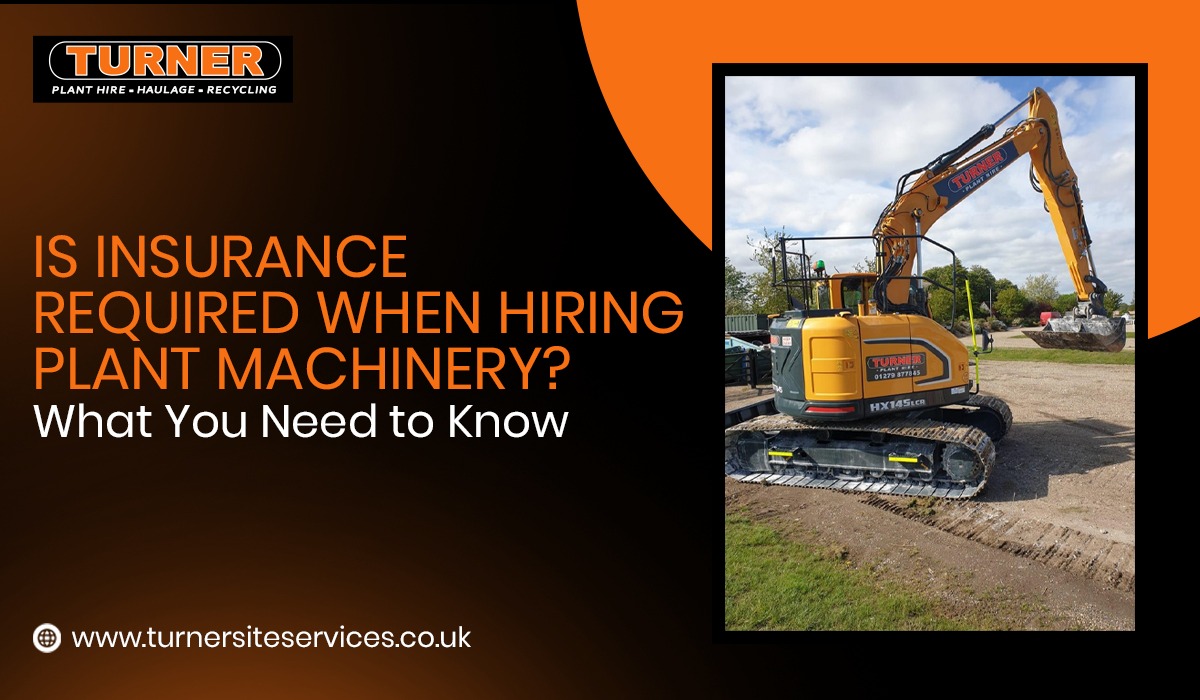
Most plant hire companies will include a clause within their hire agreement making you responsible for the hired equipment from the moment it arrives on site until the moment it is collected. This type of insurance creates what is known as “on hire” risk. During that period, you are liable for any loss, theft, or damage to the machine — regardless of fault.
Some hire companies offer their own damage waiver scheme, which reduces your financial exposure in the event of accidental damage. However, a waiver is not the same as full insurance and will not cover you against every scenario. It is important to read the terms carefully and understand what is and is not included before accepting.
For plant hire in Chelmsford and across Essex, the responsibility placed on the hirer is broadly consistent across reputable operators. Always request a copy of the hire agreement in advance and check the insurance provisions before the equipment is delivered.
Types of Insurance Relevant to Hired Plant
Several types of cover may be relevant depending on the nature of your project.
Hired-in plant insurance is the most directly applicable policy. It covers loss or damage to plant and machinery that you have hired rather than own. Unlike standard equipment policies, it is specifically designed for the on-hire liability that most hire agreements place on the contractor. If a machine is stolen overnight or damaged in an accident on site, the policy covers the cost of repair or replacement up to the agreed value.
Public liability insurance covers claims made against you for injury or property damage caused to third parties. If a hired excavator damages an underground utility or causes injury to a member of the public, this is the policy that responds. Many principal contractors require a specified level of public liability cover, depending on the project requirements and contract terms. So it is worth confirming your level of cover before work begins.
Contract works insurance, sometimes referred to as ‘contractors’ all risks’, covers the works under construction and materials on site. Policy wording varies, and coverage for hired-in plant is not always included. Review your policy schedule carefully and confirm the position with your broker before the equipment arrives on site.
Employers’ liability insurance covers claims from employees who suffer work-related injury or illness, including incidents involving machinery. It covers claims brought by workers who sustain injury or illness as a result of their work, whether the equipment is owned or hired.
What Happens If You’re Not Adequately Insured?
If the hired plant is damaged or stolen and you do not have appropriate cover, you are personally liable for the full cost of repair or replacement. Construction plant — from mini excavators to large tracked machines — carries significant value, and an uninsured loss of this kind can be financially devastating for a smaller contractor.
Beyond the direct financial impact, operating without adequate insurance may also put you in breach of your hire agreement, leaving you open to legal action from the hire company. On managed sites, proof of insurance is often a condition of site access — missing documentation may delay site access or prevent work from starting until the required information is provided.
Hire all my plant from Turner Site Services! Very competitive prices and great customer service all round
Highly recommend !! – Ross King
Always Check Before You Hire
Before arranging plant hire in Chelmsford or anywhere across Essex, review your existing insurance policies with your broker. Confirm whether your current cover includes hired-in plant and, if not, arrange a standalone policy or endorsement before the equipment arrives on site. Keep a copy of your certificate of insurance readily available — reputable hire companies and principal contractors may ask to see it.
Turner Site Services works with contractors, housebuilders, civil engineering firms, local authorities, and private clients across Essex and the surrounding counties. If you have questions about the hire process or your hire agreement, the team is happy to help. Call us on 01279 877845 or get in touch via the contact page.